
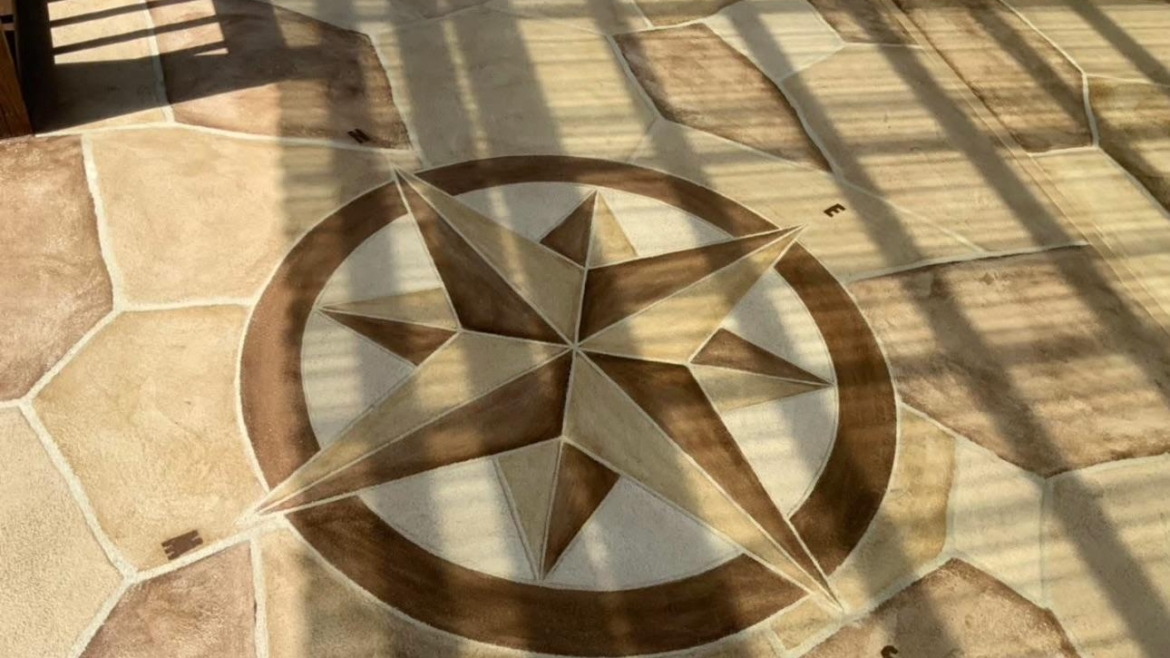
If you already have an old or plain concrete patio around your home, you may be wondering, “Can I build a patio over an existing concrete slab?” The good news is that, in many situations, you can improve or transform an existing concrete surface without completely removing it first. However, whether this is the right approach depends on the condition of the slab, drainage, elevation, cracks, and the type of patio surface or structure you want to add.
For homeowners in Conroe, Texas, understanding these factors before starting a patio project can help prevent drainage problems, uneven surfaces, and unnecessary repair costs.
Can You Build a Patio Over Existing Concrete?
Yes, you can often build a patio over existing concrete, but the existing slab needs to be inspected first. A concrete slab that is stable, properly supported, and in reasonably good condition can sometimes serve as the foundation for a new patio surface.
If the slab has only minor surface cracks or cosmetic damage, there may be several ways to improve its appearance. However, if the concrete is badly cracked, sinking, shifting, or holding water, simply covering it may not solve the underlying problem.
Before deciding to build over it, check:
- Is the existing concrete level and stable?
- Are there large cracks or areas that are sinking?
- Does water drain away from the house?
- Is the slab strong enough for the new surface?
- Will adding another layer create problems with doors, steps, or drainage?
These questions are important because the new patio will still depend on the condition of the existing concrete underneath.
Can You Cover an Existing Concrete Patio?
Yes, homeowners can cover an existing concrete patio with several different materials, depending on the condition of the slab and the desired look. Options can include concrete overlays, pavers, tile designed for outdoor use, or other suitable patio surfaces.
One of the biggest advantages of covering an existing patio is that it may reduce the amount of demolition and disposal work required. Instead of removing an entire concrete slab, a contractor may be able to prepare the current surface and install a new finish over it.
However, covering damaged concrete does not automatically fix structural problems. If the slab is moving or continuing to settle, the new patio surface could eventually develop similar problems.
Can You Resurface an Existing Concrete Patio?
Resurfacing an existing concrete patio can be a practical option when the concrete is structurally sound but looks old, stained, worn, or slightly damaged.
Concrete resurfacing generally involves preparing the existing surface and applying a new material over it to create a refreshed appearance. Depending on the product and design, resurfacing can provide different textures, patterns, or finishes.
This option is generally more suitable for cosmetic improvements than for major structural repairs. Deep cracks, significant settlement, and drainage issues should be addressed before choosing resurfacing.
If your patio has been exposed to Texas weather for years, it is especially important to look for signs of deterioration before deciding that resurfacing is enough.
What Is the Best Way to Build Over an Existing Concrete Slab?
The best method depends on what you want your finished patio to look like and what condition the existing slab is in.
For example, if the slab is solid and relatively level, an appropriate overlay system may provide a simple way to create a new appearance. In other situations, pavers or another outdoor surface may be considered, provided the installation method is suitable for the existing concrete.
The important part is not simply choosing a material that looks good. The installation must also account for water drainage, surface height, expansion, movement, and the connection between the existing slab and the new patio.
Can You Put Pavers Over an Existing Concrete Patio?
In some cases, pavers can be installed over an existing concrete patio, but the slab must be suitable for this type of installation. The concrete should generally be stable and free from serious movement or settlement.
Another important consideration is the additional height created by the pavers and installation materials. If the finished patio becomes too high, it can interfere with exterior doors, stairs, thresholds, or drainage paths.
For this reason, homeowners should consider the final elevation before choosing pavers as a way to cover an existing patio.
When Should You Not Build Over Existing Concrete?
Building over an existing slab is not always the best choice. If the concrete has serious structural problems, removing and replacing it may be a better long-term solution.
You may need to reconsider the project if you notice:
- Large or spreading cracks
- Concrete that is sinking or uneven
- Sections that have separated or shifted
- Standing water after rain
- Serious drainage problems
- Soil movement underneath the slab
- Significant deterioration or crumbling
Covering these problems can sometimes make the patio look better temporarily, but it does not necessarily correct what is happening underneath.
Does an Existing Concrete Slab Need to Be Repaired First?
In many cases, yes. Minor imperfections may be manageable depending on the installation system, but larger problems should be evaluated before adding a new surface.
For example, if part of the slab has settled, adding a new layer on top will not necessarily stop that movement. Similarly, if water is draining toward the house, a new patio surface should not simply hide the problem.
Proper preparation is one of the most important parts of any project involving an existing concrete slab.
Is Building Over Concrete Better Than Removing It?
There is no single answer because every patio is different. Building over an existing slab can sometimes save demolition work and preserve a usable base, while removing the concrete may be necessary when the existing foundation has major problems.
The right choice should be based on the condition of the slab, the new patio design, drainage requirements, finished height, and the materials being installed.
A professional evaluation can help determine whether the existing concrete can be reused or whether starting with a new base would make more sense.
What Should Conroe, Texas Homeowners Consider?
In Conroe and surrounding areas, outdoor spaces need to handle heat, heavy rain, changing weather conditions, and normal soil movement. These conditions make drainage and proper installation particularly important when remodeling an existing patio.
Before starting a project, consider how rainwater will move across the finished surface, whether the existing slab has settled, and how the new patio will connect with the house and surrounding yard.
A patio should not only look attractive when the project is finished; it should also be designed to perform well over time.
Final Thoughts
So, can you build a patio over an existing concrete slab? In many cases, yes, but the existing concrete should be carefully evaluated before you decide how to proceed. If the slab is stable and in good condition, options such as resurfacing, overlays, or other suitable patio materials may allow you to create a completely different outdoor space without removing everything.
If the existing concrete has major cracks, settlement, movement, or drainage problems, repairing or replacing the slab may be the better solution.
If you are looking for a patio construction company in Conroe, Texas, IG Remodeling can help you evaluate your existing outdoor space and discuss practical options for your patio project. The goal should always be to choose an approach that fits your property, your design plans, and the condition of the existing concrete.